Recognising types of firewood
Not all firewood is the same: hardwoods such as ash produce much higher yields than softwoods. So it's important to know which species to choose.
On this page, you'll find all the known species, with photos and tips on how to recognise them.
Click on the petrol name to scroll down the information.
Hardwoods
Hardwoods make the best firewood.
Click on the petrol name to scroll down the information:
The oak
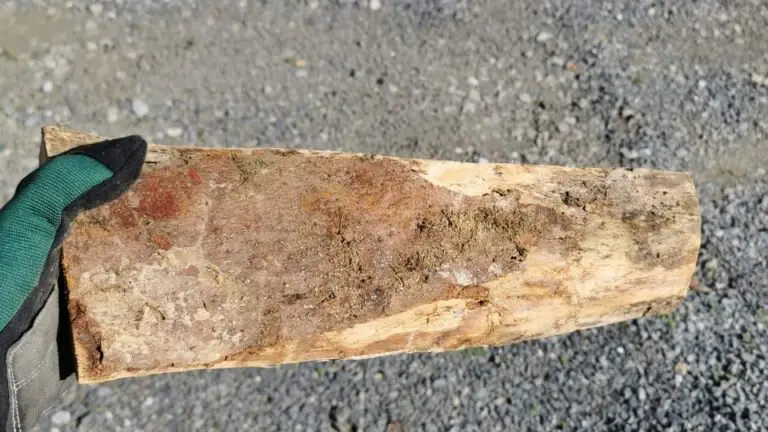
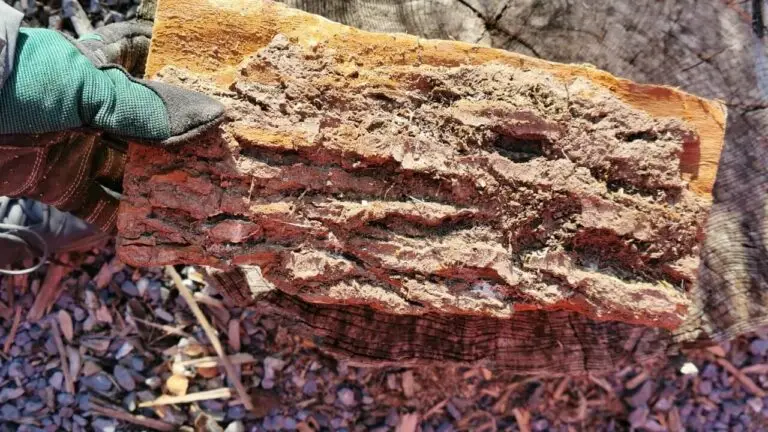
Oak has very thick, rough, cracked bark.
It can also be recognised by the lifelines that form a web. It is the only tree with this web pattern.
Inside, oak is often gnarled and rough.
Ash tree
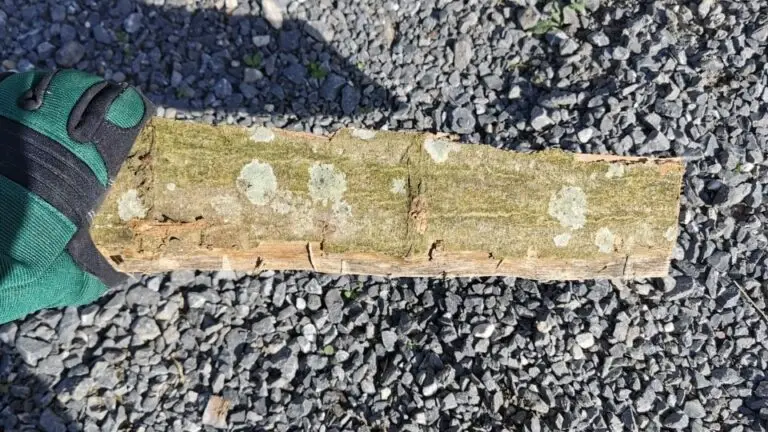
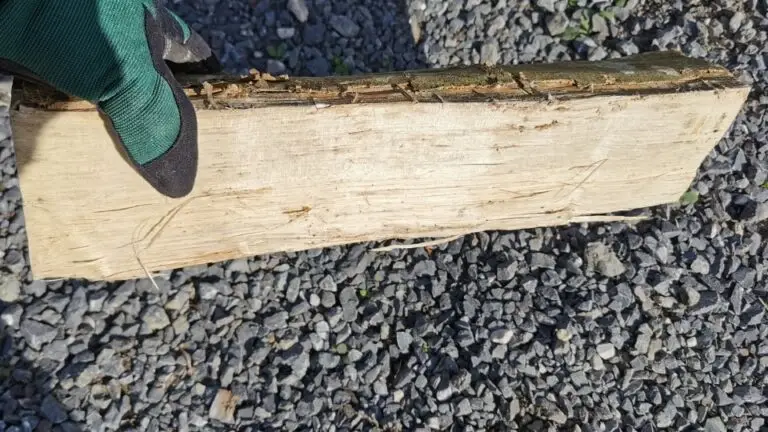
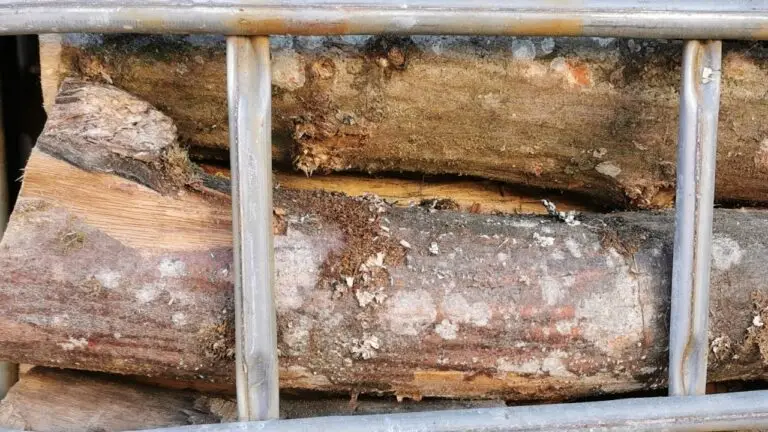
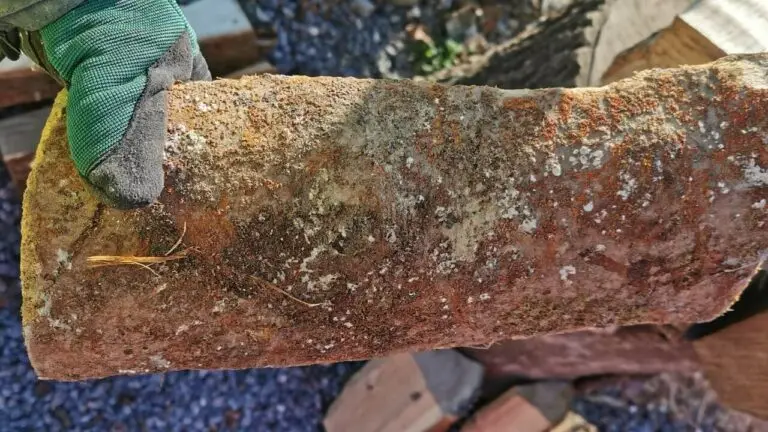
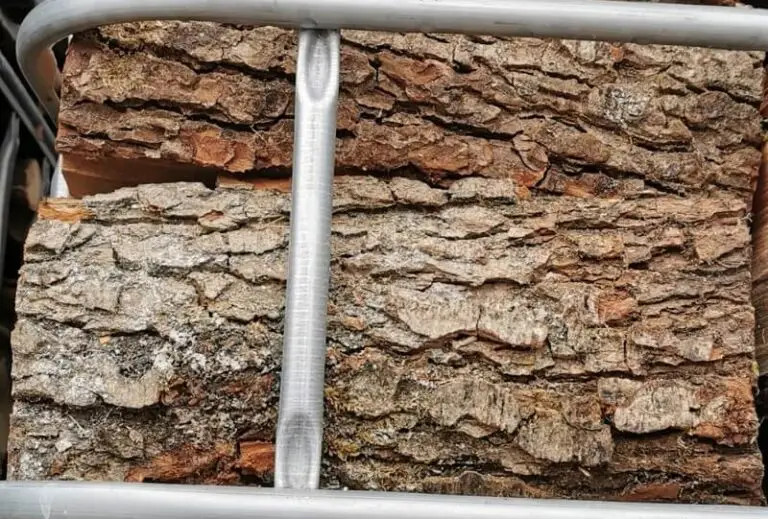
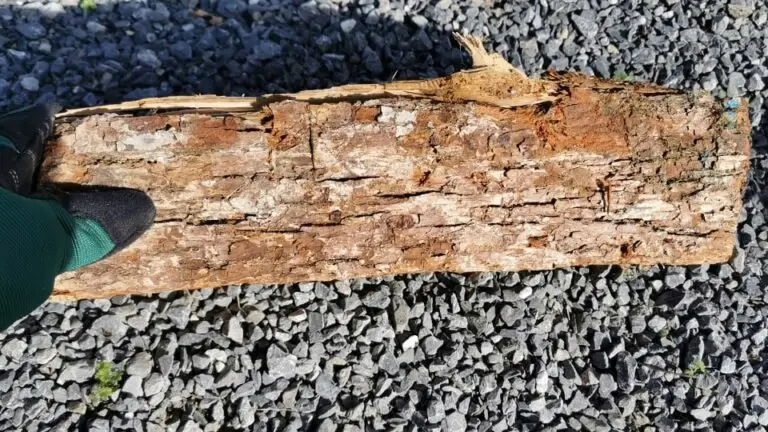
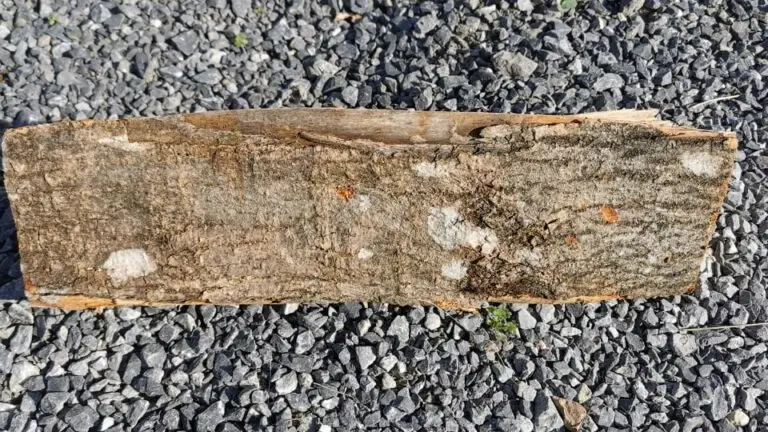
Ash bark is also cracked, but the cracks are shallower and less rough than in oak. Light brown or light grey in colour with possible white patches.
Young ash trees have smooth bark. The older the ash, the more the bark cracks.
Mature ash has cracked bark, but the cracks are shallower than in oak :
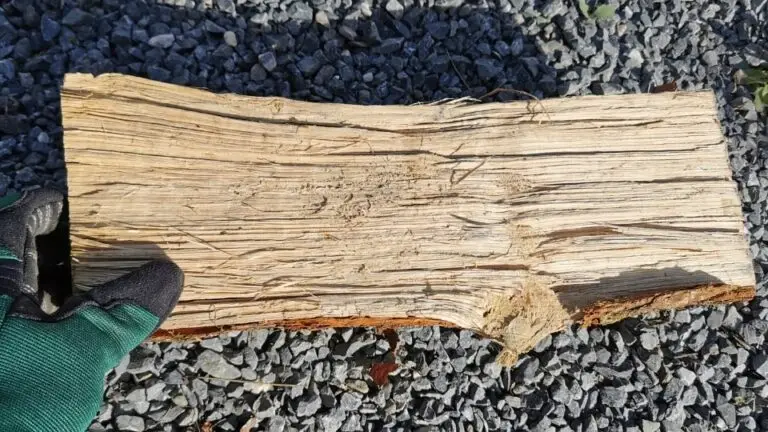
Ash is dense, but less knotty than oak.
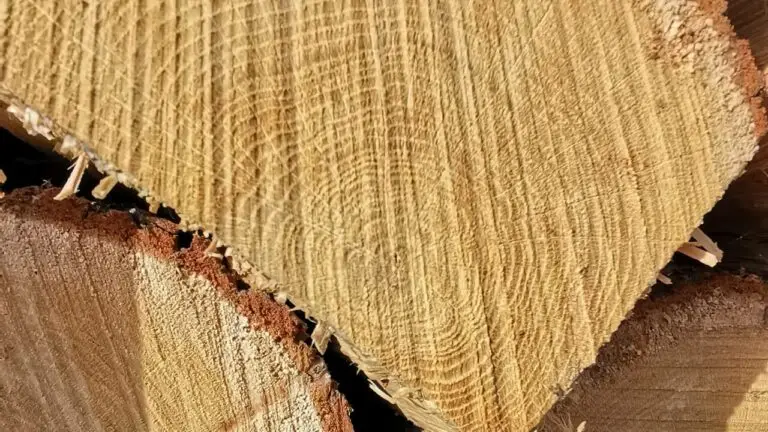
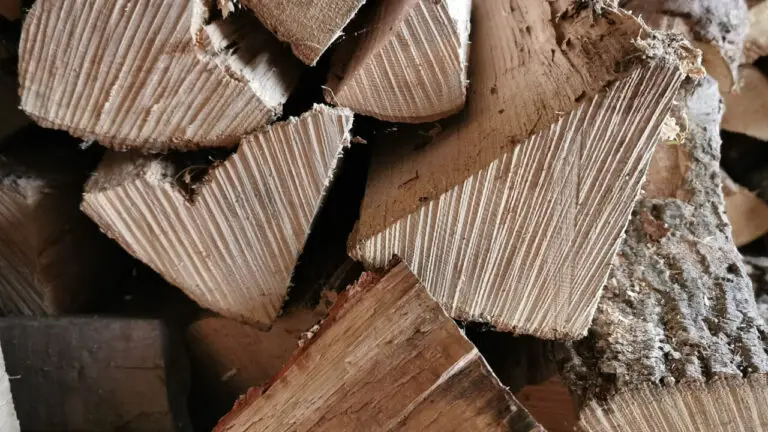
Another way of recognising ash is the presence of very visible striations on the ends, as shown below:
The charm
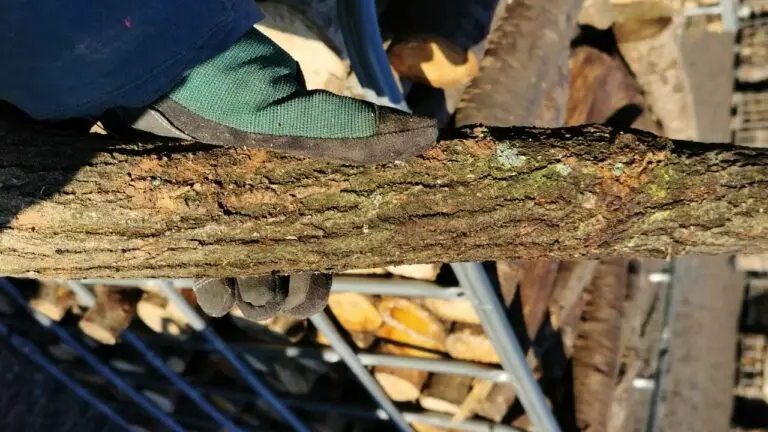
Hornbeam can be recognised by its bark: it is smooth, unlike oak and ash, and has a green sheen. The bark is rather similar to that of beech. It often has large white spots.
Hornbeam often has a green tinge but can also take on a violet hue.
Beech
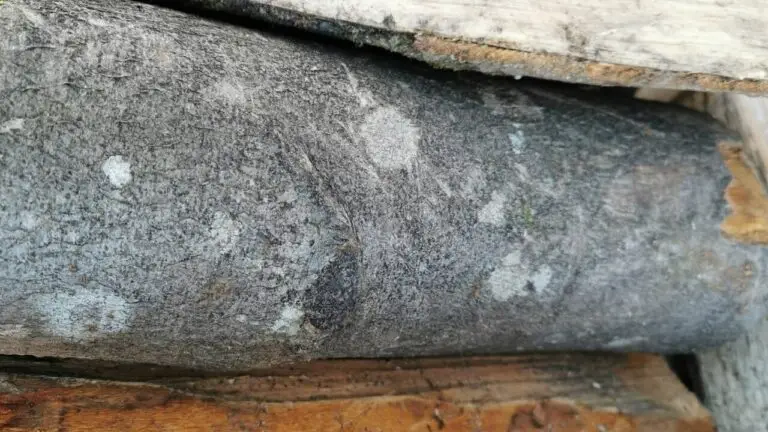
Beech has a bark similar to that of hornbeam: smooth, grey and often with white spots.
Like hornbeam, beech is a «clean» wood thanks to its thin, smooth bark.
Below is a freshly split beech log. The heartwood has a darker colour than the sapwood and heartwood. This often happens when the wood has just been split.
Acacia
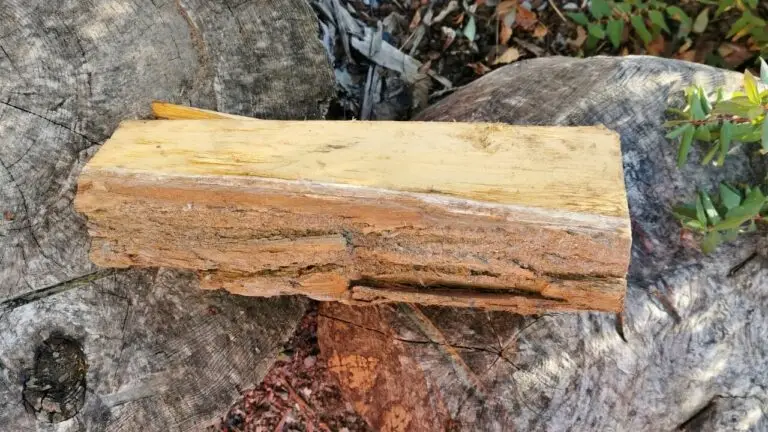
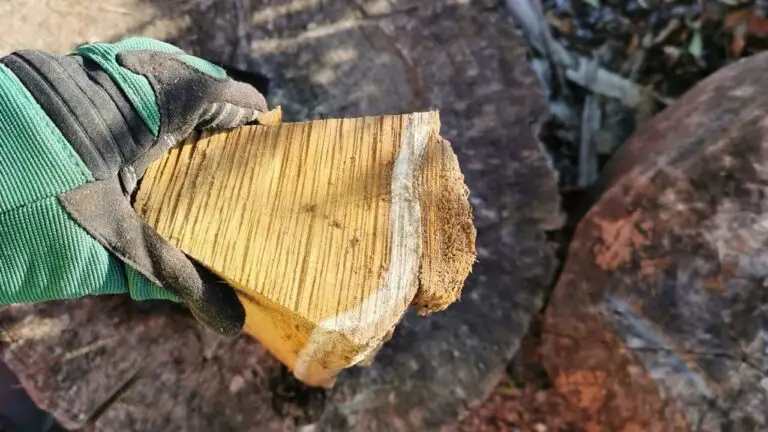
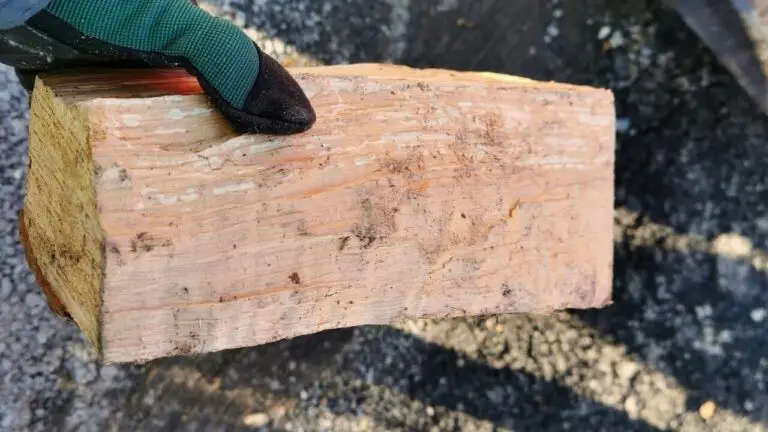
Acacia is a magnificent wood. It's easy to recognise because of its pretty yellow-orange colour and the white line on the sapwood. It is a rare species.
The maple
You can recognise a maple log by its reddish bark.
Semi-hardwoods
Semi-hard« wood is an intermediate category.
Click on the petrol name to scroll down the information:
The birch
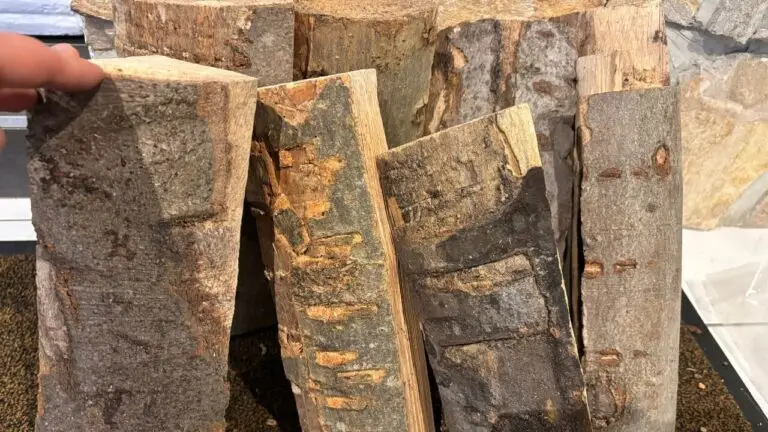
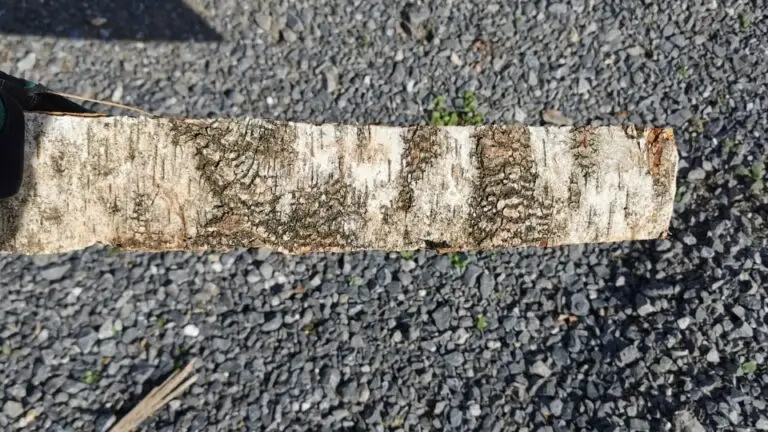
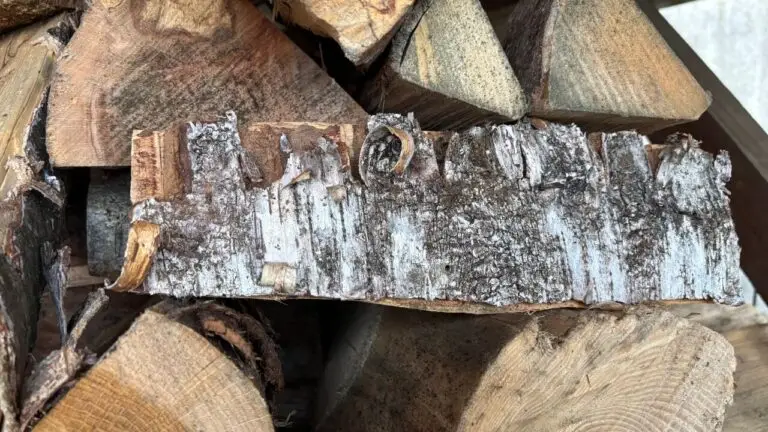
The birch is easy to recognise. Its bark is characteristically white or light grey. It is very thin and smooth, but has blackish cracks that are spread out in patches or simple horizontal lines.
As it dries, the birch bark thickens and cracks further.
A unique feature of the birch is that the bark is easily peeled off by hand, as if it were being peeled.
Cherry
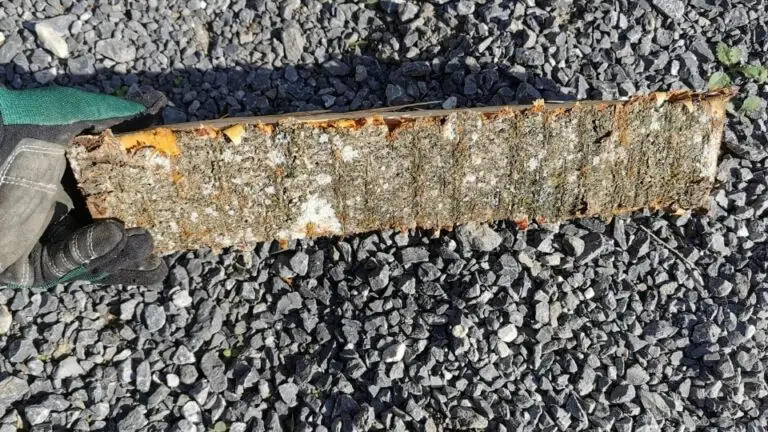
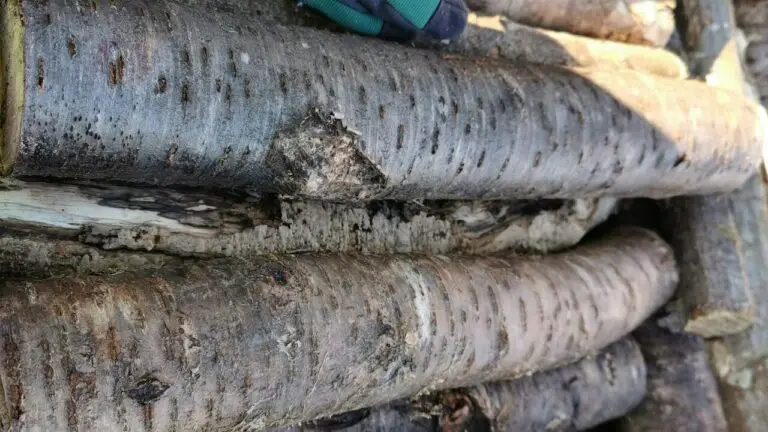
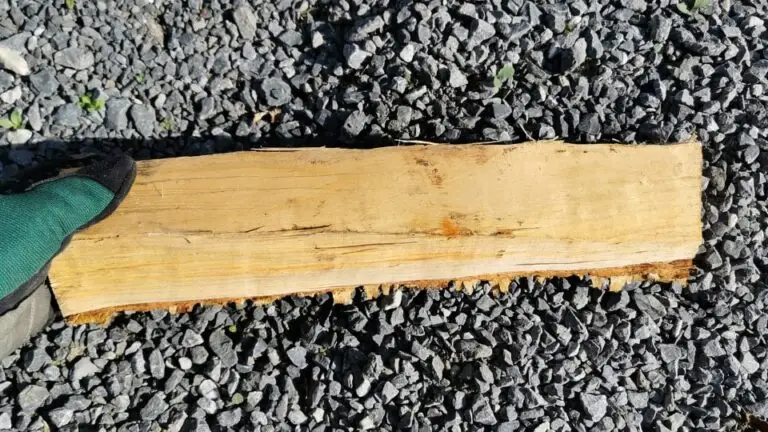
Yellow birch is easily identified by its bright orange colour. The bark also has horizontal lines.
The inside of the cherry is yellow-orange.
Wild cherry, like other fruit trees, often gives off an odour when burnt, and the flame glows red.
Softwoods and conifers
The last category includes hardwoods, considered soft, and softwoods. These are woods that burn quickly and therefore have a lower calorific value.
Click on the petrol name to scroll down the information:
Alder
Easily recognisable. Alder has a pinkish colour and very thick bark, even thicker than oak.
Willow
Willow has thick, cracked bark, like alder or oak. The inside is yellowish, like coniferous trees.
Poplars and aspens
Aspen or poplar (sometimes called «grey») is not easy to recognise. Sometimes it looks like beech, sometimes birch, and sometimes even oak. However, you can recognise aspen by the horizontal lines on the bark. Here's a mnemonic to help you remember: aspen bark is said to «tremble» because it has wave-shaped lines.
Softwoods
Firs, spruces and other softwoods are easily recognised by their bark and the resin they contain (hence their name).
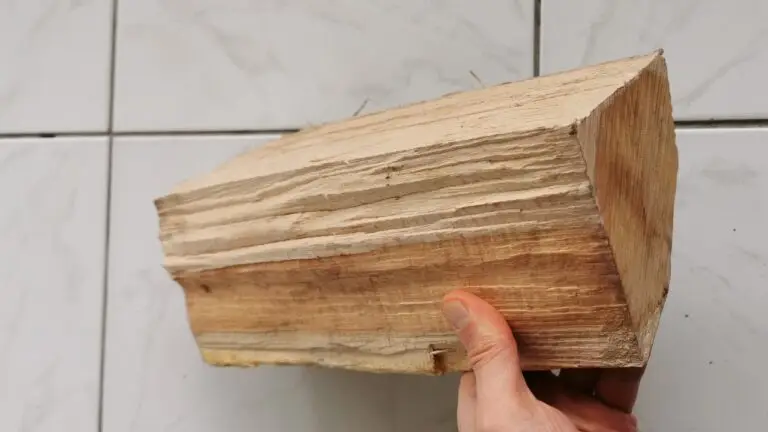
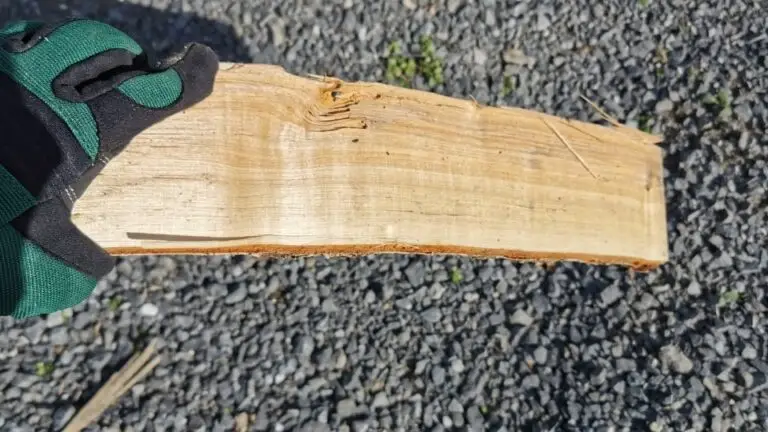
Softwood logs like the one below are fairly easy to recognise with practice. You can quickly see that it's not hardwood, particularly by the yellowish colour of the heartwood.
See our other articles: